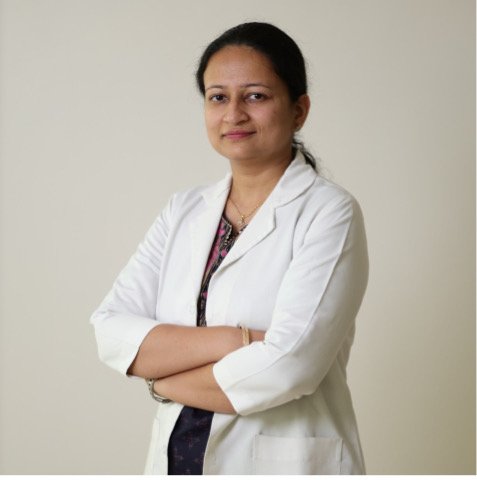
Dr. Akanksha Garg
Consultant hemato-oncologist and BMT physicianDr. Akanksha Garg is a clinical hematologist who has specialized in adult and pediatric hematological disorders. She has experience of working as faculty in institutions like GCRI Ahmedabad and AIIMS jodhpur after her training at SGPGIMS Lucknow. She has vast experience of performing nearly 150 bone marrow transplants in her career spanning more than 10 years.
Special Interest
She has special interest in hemoglobinopathies like thalassemia and sickle cell disease and coagulation disorders like Hemophilia.
Observership
She has also done observership from Institut Gustave Roussy, France and Universitatsklinikum, Frankfurt Germany and King’s College London.
Participated
She has keen interest in research and has participated in various CMEs and conferences as faculty.
Treatments





Why Choose Us?
Happy Patients
Successful Surguries
Awards received
Lets see how we treat
Cancer treatment involves diagnosis, treatment planning, and selecting appropriate therapies based on the cancer's type, stage, location, and the patient's health.


Best Hematologist in Ahmedabad
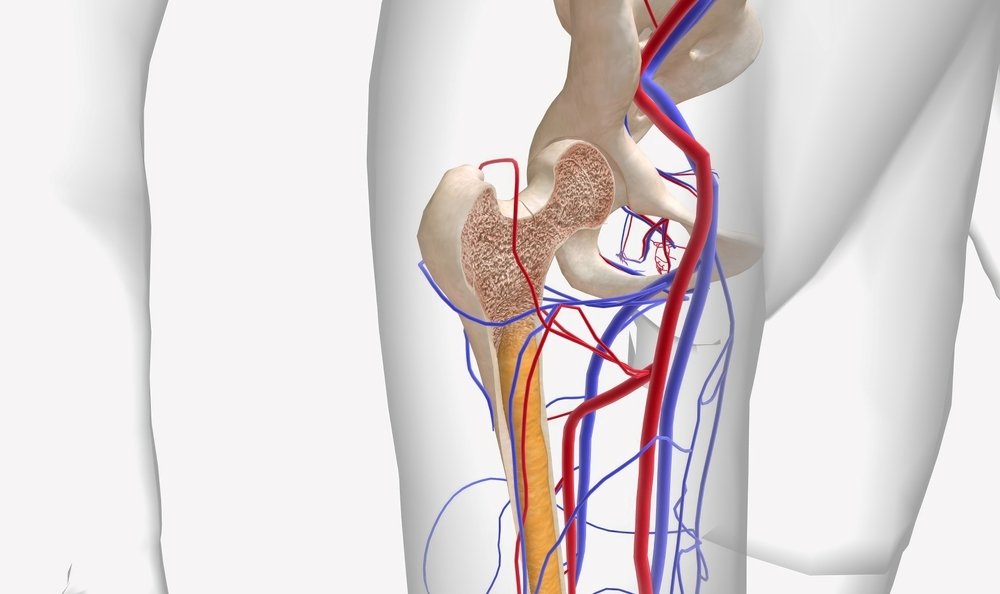
Haematology, a subspecialty within internal medicine, focuses on organs that form blood as well as blood and blood disorders. It is a discipline that focuses on the study, diagnosis, and prevention of illnesses that result from abnormalities in blood components like blood proteins, blood cells, platelets, hemoglobin, as well as blood vessels. In addition, bone marrow, blood-producing organs, and the spleen are involved. Are you looking best hematologist in Ahmedabad? Dr. Akanksha Garg is one of the best hematologist in Ahmedabad. She is trusted and best hematologist doctor in Ahmedabad.
This is a specificity that is responsible for malignant and benign conditions of platelets, white and red blood, immunocytes, and the coagulation systems of adults and children.
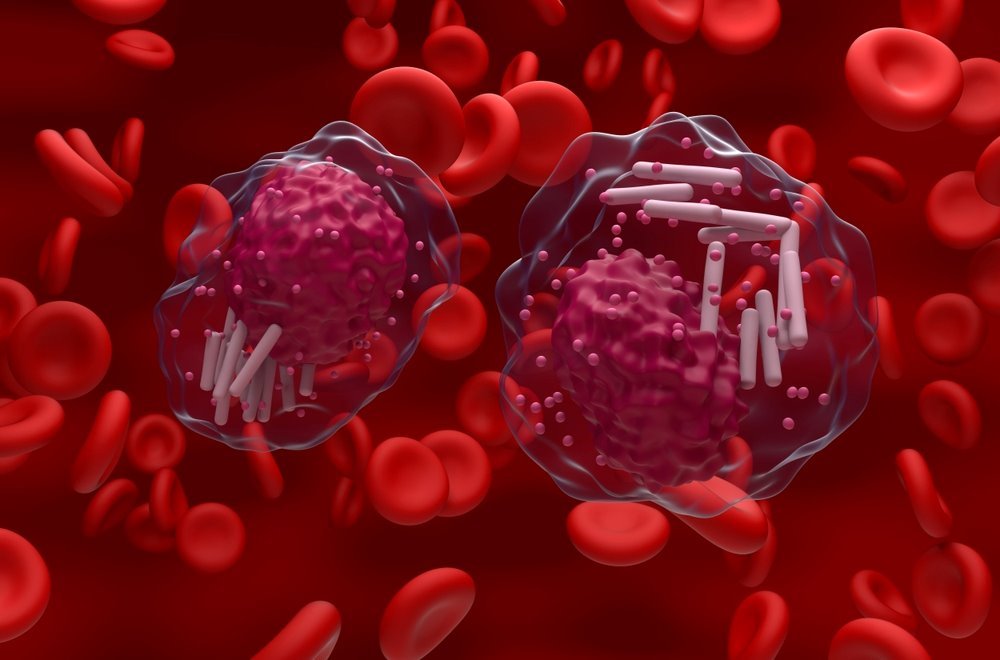
Hematologists provide treatment for patients suffering from serious, life-threatening conditions like leukemia, lymphoma, and myeloma, which require chemotherapy. The specialization of hematologists is blood coagulation, blood transfusions, or hemoglobin-related disorders. Dr. Akanksha Garg is well experience hematologist doctor in Ahmedabad.
Types of Best Hematologist Treatment in Ahmedabad
A hematologist typically specializes in one or more of these specialties.
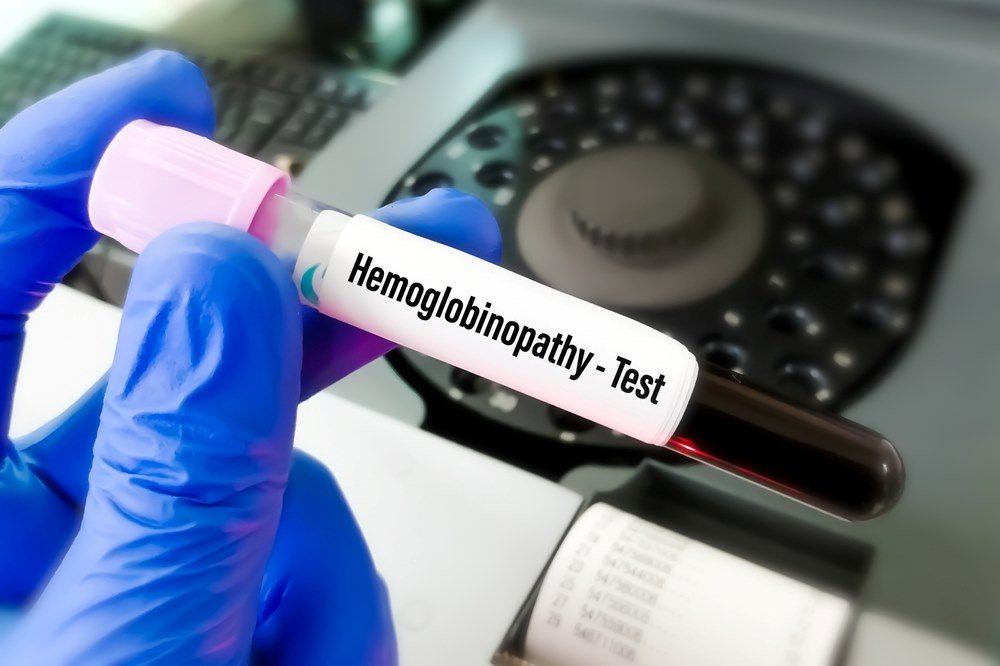
Hemoglobinopathy The term examines hemoglobin-related disorders where there is an abnormality in the production of a molecule or structure. Hemoglobin, a protein found in red blood cells that transports oxygen around the entire body. It is a genetic disorder, and the most frequent disorders are hemoglobin C disease or hemoglobin S C disease, sickle cell anaemia, and Thalassemia.
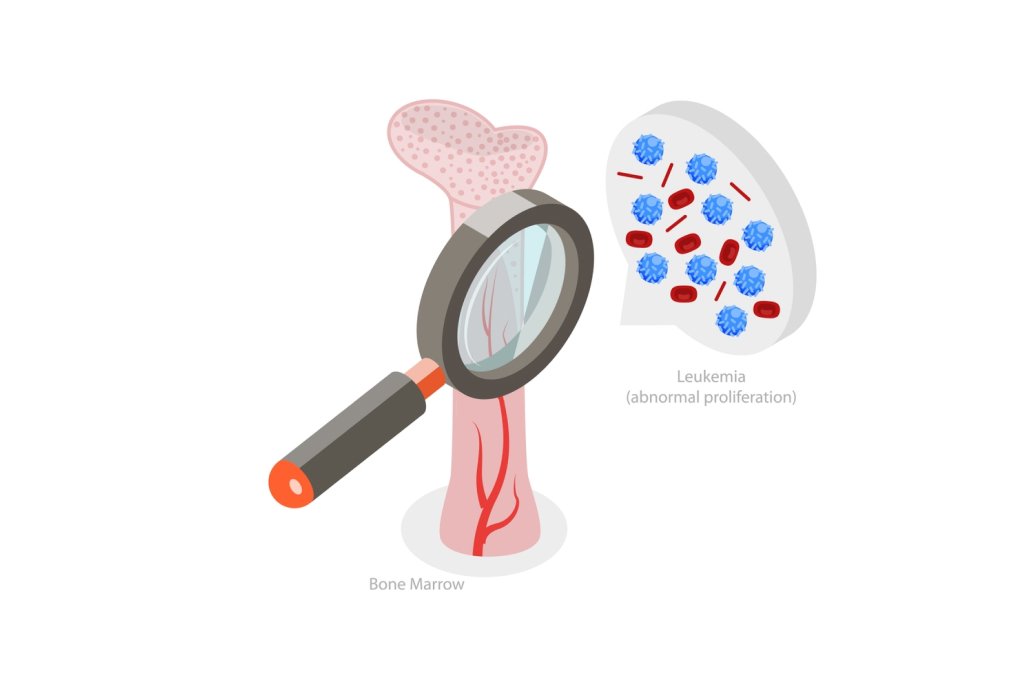
Hematological malignancy Hematological malignancies are tumors that develop in bone marrow or in the cells of the immune system. It can develop inside blood-forming organs. The three most common kinds of hematological malignancy include leukaemia, lymphoma, and myeloma. Hematological cancers arise from the uncontrolled growth of abnormal cells. These cells are abnormal and do not respond to mechanisms of control that limit their expansion and division.
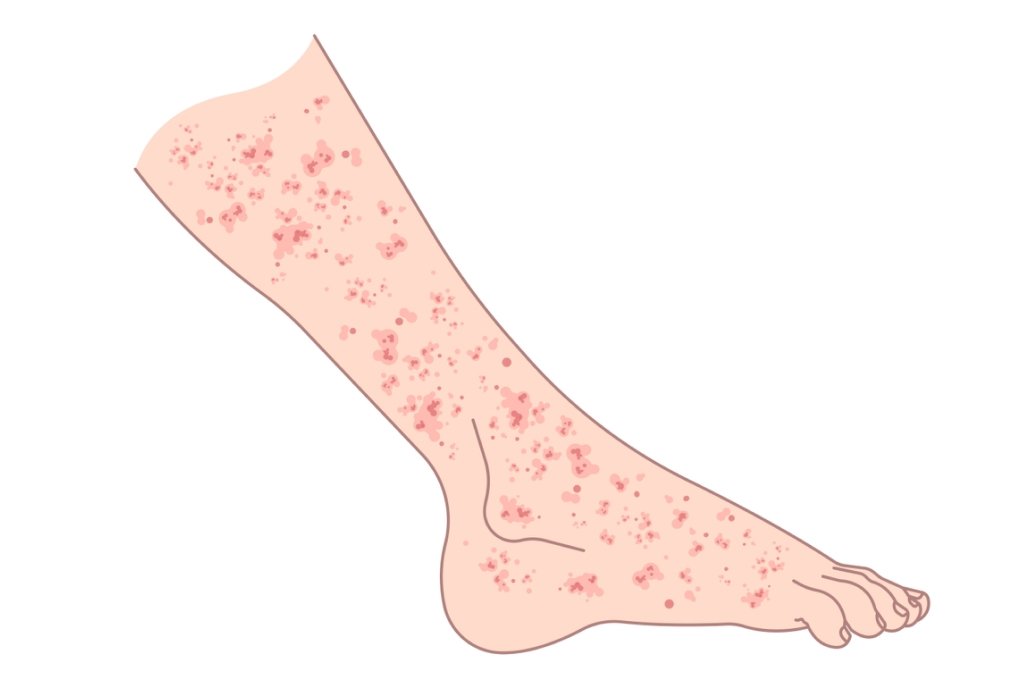
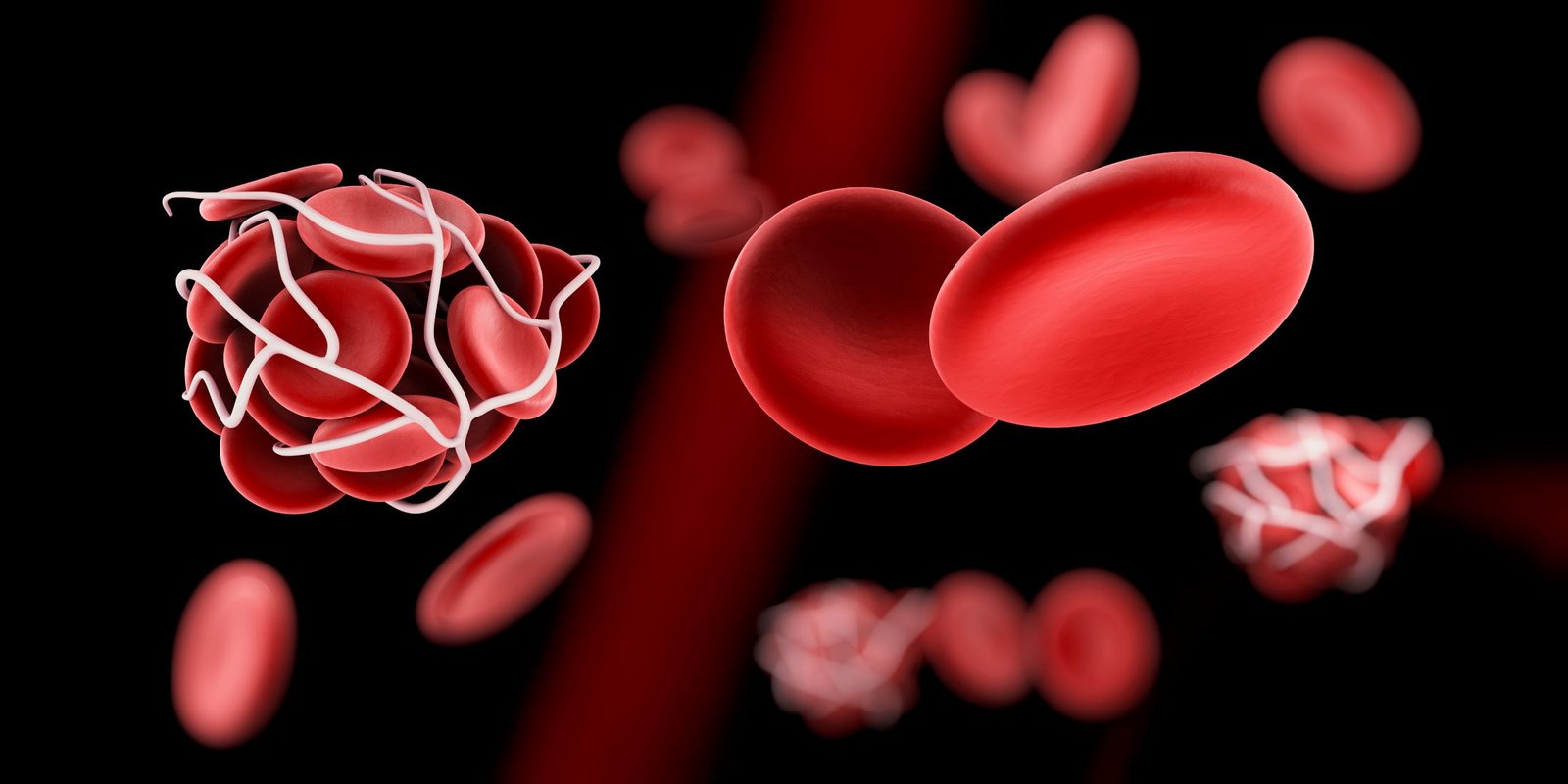
Coagulopathy: Coagulopathy is a term used to describe bleeding disorders and blood disorders, with a focus on the formation of blood clots within the body. Blood disorders, like hemophilia, make it hard for the human body to manage bleeding. The most frequent symptoms are the ability to bleed or get bruised easily, bleeding from the mouth and gums, as well as redness and swelling on the body. Anemia is a medical problem in which the blood does not contain sufficient red blood cells. A deficiency in healthy red blood cells can lead to a lack of oxygen to the tissues of the body. The most frequent forms of anemia include Aplastic anemia, Iron insufficiency, and anemia, Sickle cell anemia, Thalassemia, along Vitdeficiency anemia.
Signs of Best Hematologist Treatment in Ahmedabad
The different symptoms and signs that indicate blood disorders are:
- Insufferable bleeding or bruises
- Unusual and frequent nose bleeding
- Recurring infections
- Breathing shortness
- Headache or dizziness
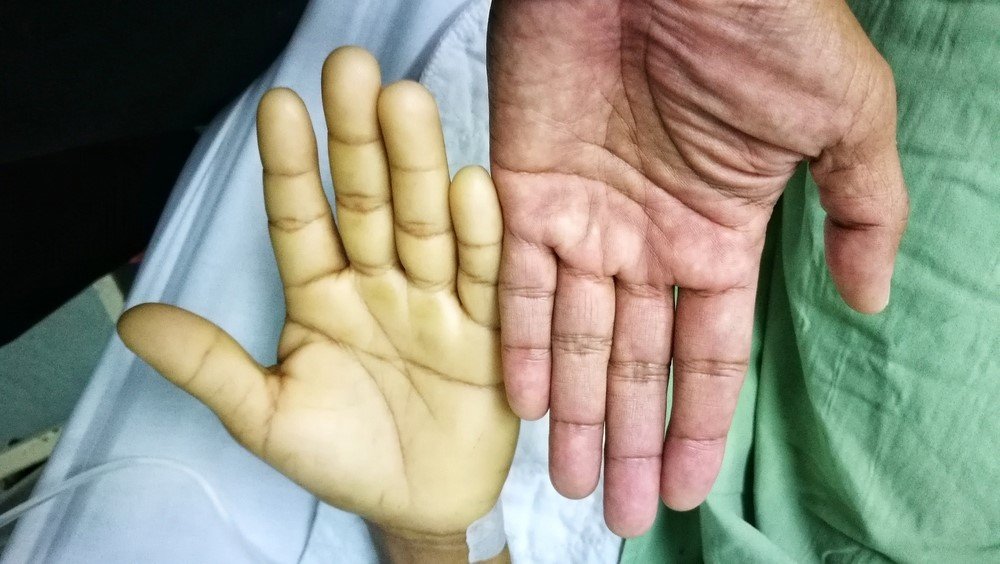
- Pale skin
- Weight loss and fever
- Night sweats
- Affliction or fatigue
- Head and neck pain
- Vomiting
- Joint stiffness and swelling
When should you Visit the Best Hematologist Doctor in Ahmedabad?
Patients should see a hematologist when they're diagnosed with one or all of these blood diseases in the case of:
- A persistent fever that doesn't respond to treatment routinely
- The body's nodes are not responding to therapy routinely
- Abnormal blood count-high or even low blood white cells or platelet counts
- Bleeding manifestation
- Clotting problems
- Recurrent infections
- Introducible bleeding
- The urine contains blood.
- Consistently afflicted symptoms
Diseases that the Best Hematologist Surgeon in Ahmedabad treats include
Hematologists are in close contact with other health professionals, such as nurses, pharmacists, and general doctors. She is best hematologist surgeon in Ahmedabad. They deal with:
- Anemia
- Cancer of the blood
- Myeloma or lymphoma
- Aplastic Anemia
- Bone marrow dysfunction syndromes
- Myelodysplastic syndrome
- Myeloproliferative disorder
- Myelofibrosis
- Hemochromatosis (excess in the absorption by your body of iron)
- Hemoglobinopathy-Thalassemia, Sickle Cell Anemia
- Polycythemia
- Blood coagulation disorders
- Blood forms clots
- Von Will brand disease
- Bleeding disorder
- Hemophilia
- Vitamin K deficiency
Diagnosis of Best Hematologist Treatment in Ahmedabad
Based on the symptoms, the hematologists can conduct a variety of tests to assess and interpret results to determine diagnostic and therapeutic purposes. A hematological test is a way to diagnose illnesses like anemia, blood clotting disorders, infections such as leukemia, hemophilia, and more.
Blood test: Blood samples could be collected and analyzed by a laboratory technician for anomalies. The blood is tested for proteins within red blood cells as well as white blood cells. The blood tests are used to assess a variety of blood disorders, such as infection, hemophilia, anemia, inflammation, blood-clotting disorders, leukemia, and bone marrow diseases.
Full blood count (CBC) and peripheral smear: The Complete Blood Cell count tests test a variety of blood-related factors, like red blood cells that transport oxygen; white blood cells, which fight infections; hemoglobin, which is a blood clotting factor within the body; plasma, and platelets. A low count of blood cells could suggest an underlying blood-related disease or condition, such as anemia, infection, or leukemia.
Bone aspiration of the marrow and biopsy: Bone aspiration and biopsy of the marrow is a diagnostic test where samples of bone marrow are taken to test the marrow of bone for any diseases. The test determines if the bone marrow produces an adequate amount of blood cells. Doctors can identify bone marrow disorders and cancers with this test.
The platelet count: The test for platelet count measures the amount of platelets present in the blood. A lower number of platelets can be an indication of thrombocytopenia. This is a condition that causes excessive bleeding from injuries or cuts. An increase in platelet count may indicate the presence of thrombocytosis. This can lead to an increase in blood clotting. The blood clots could cause interruption or stoppage of blood flow.
Testing for Blood Enzymes: also known as enzyme marker tests, the test is a way to measure enzymes and proteins present in blood to detect damaged tissues or conditions. Organ damage, musculoskeletal disorders, and injuries cause the release of enzymes into the blood. The presence of high levels of cardiac enzymes may be a sign of heart damage. High levels of CPK isoenzymes signify muscle disease, and the presence of high levels of liver enzymes can indicate damage to the liver.
Full Iron Profile: The test for iron profile measures iron levels in blood to determine the amount of metabolized iron within the body. Iron is required for haemoglobin, which is the protein found within RBC that carries oxygen. The complete iron profile test involves testing serum iron levels and transferrin levels as well as the saturation of transferrin. This test is performed to determine anaemia as well as other ion-related diseases.
Immunoglobulins Blood Test: The Immunoglobulins Blood Test measures immunoglobulins (antibodies). Antibodies are the proteins that are created through the immune system to combat things like bacteria and viruses. This test is performed to determine if there is a viral or bacterial disease, an immune deficiency, cancer, or autoimmune disorders such as multiple myeloma.
Hemoglobinopathy testing: Test for Hemoglobinopathy: The Hemoglobinopathy test is performed to determine abnormalities in the structure or levels of hemoglobin. The test can identify hemoglobin- related disorders.
Immune Phenotyping: A test for phenotyping analyzes cells using markers, sometimes referred to as antigens, that are located on the surface of a cell's nucleus or cytoplasm. This test determines the lineage of cells by using antibodies to look for markers on cells. The test can diagnose leukemia, lymphoma, as well as blood cancers of the cells.
Cytogenetics and Molecular Studies: Cytogenetics is a screening procedure that tests blood and bone marrow samples for any changes to the chromosomes (missing, broken, damaged, or rearranged chromosomes). The changes in chromosomes can indicate genetic disorders, conditions, or specific kinds of cancer.
FAQs on Hematologist in Ahmedabad
What is the best Hemato Oncologist Doctor in Ahmedabad?
Hematology Oncology is carried out in the hands of an Oncologist. Dr. Akanksha Garg is highly experienced and skilled doctors. Our Hospital in Ahmedabad is equipped with the latest technologies to provide hematology oncology service in Ahmedabad.
How knowledgeable are you? Best Hemato Oncologist Surgeon in Ahmedabad?
The Oncologist at Dr. Akanksha Garg in Ahmedabad are highly skilled and committed professionals who have years of experience. A majority of our specialists have been practicing in this field for a long time, ensuring they provide the top standard of care and acuity when it comes to Hematology Oncology Treatment. She is the best hemato oncologist surgeon in Ahmedabad.
What ailments are treated by Oncologists at Dr. Akanksha Garg in Ahmedabad, in addition to Hematology Oncology?
Our Oncologists are experts in the treatment of a variety of illnesses under Oncology that include Hematology Oncology. You will receive extensive counseling for all ailments, from diagnosis through treatment plan and surgery. We offer individualized plans that are tailored to each patient's specific needs and condition.
What is the way that the staff in Dr. Akanksha Garg Ahmedabad ensures the security of the patient and manages infection throughout the Best Hematologist Treatment in Ahmedabad?
Our top priority. Our doctor, Dr. Akanksha Garg, Ahmedabad, strictly follows infection control protocols to reduce the chance of complications, specifically when it comes to Hematology cancer patients. Our facilities for healthcare adhere to stringent hygiene standards and employ all the necessary measures to provide a secure and clean setting for Hematology oncology treatment.
What can you anticipate during and following Oncology Hematology?
In the Hematology Oncology, you can count on personalised medical attention, regular monitoring, as well as support from our medical staff. Following treatment, we will continue to take care of and monitor your health and deal with any possible issues or side effects. We aim to assist you in attaining better health and an enhanced quality of life.
Happy Patients